Safety & Security Store - 622 Baxter Ave, Louisville, KY 40204 - 502-587-8273 / 800-733-8270 - email us at chimealert@aol.com -

Safety Security Store Safety Tips
Back to Store: www.safetysecuritystore.com  


Protecting Your Home From Burglary

  • Burglars will tend to strike where they think the deterrent is low and their return is high. Below are some tips that will serve as good deterrents, giving your home a "secure look".
  • Keep shrubs and bushes trimmed to minimize hiding places that could provide a point of entry.
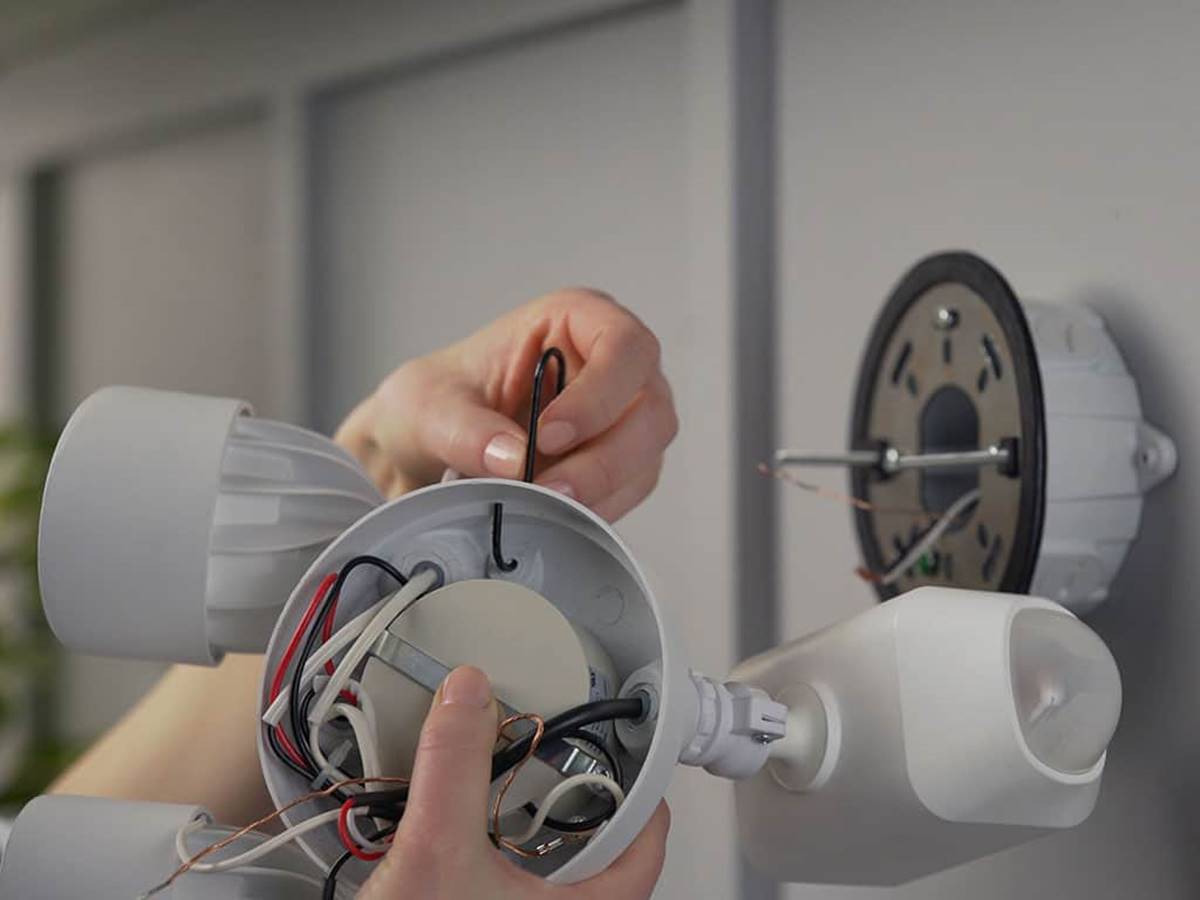
  • At night keep a porch light burning and utilize motion activated lights at the back and or sides of house.
  • All doors leading to the inside should be solidly constructed and have dead-bolt locks.
  • Keep doors locked - even when you are home.
  • Do not leave a note on the door that could inform a burglar that you are not home.
  • Windows should have secure locks and if left open for ventilation, should not exceed 5 inches - secured in place with security pins.
  • Do no hide a key in an obvious place that can easily be found.
  • If you have a garage, keep the door closed. Keep any ladders locked up so that they cannot be used by a burglar.
  • Make sure house numbers are readable from the street - including an alley.
  • Use a wide angle viewer (peephole) to check person's identity at your door.
  • When going out at night, connect one or more lights to a timer to create a "lived in" look. Also, a radio left playing can give the indication of someone being home.
  • Get to know your neighbors - watch out for each other. Consider starting a block watch.
  • If you see a suspicious person or situation call the police.
  • Engrave your driver's license number (not social security number) on your valuable items. Take photos of smaller items such as jewelry and silverware. Store photos and records in a secure place such as safety deposit box.
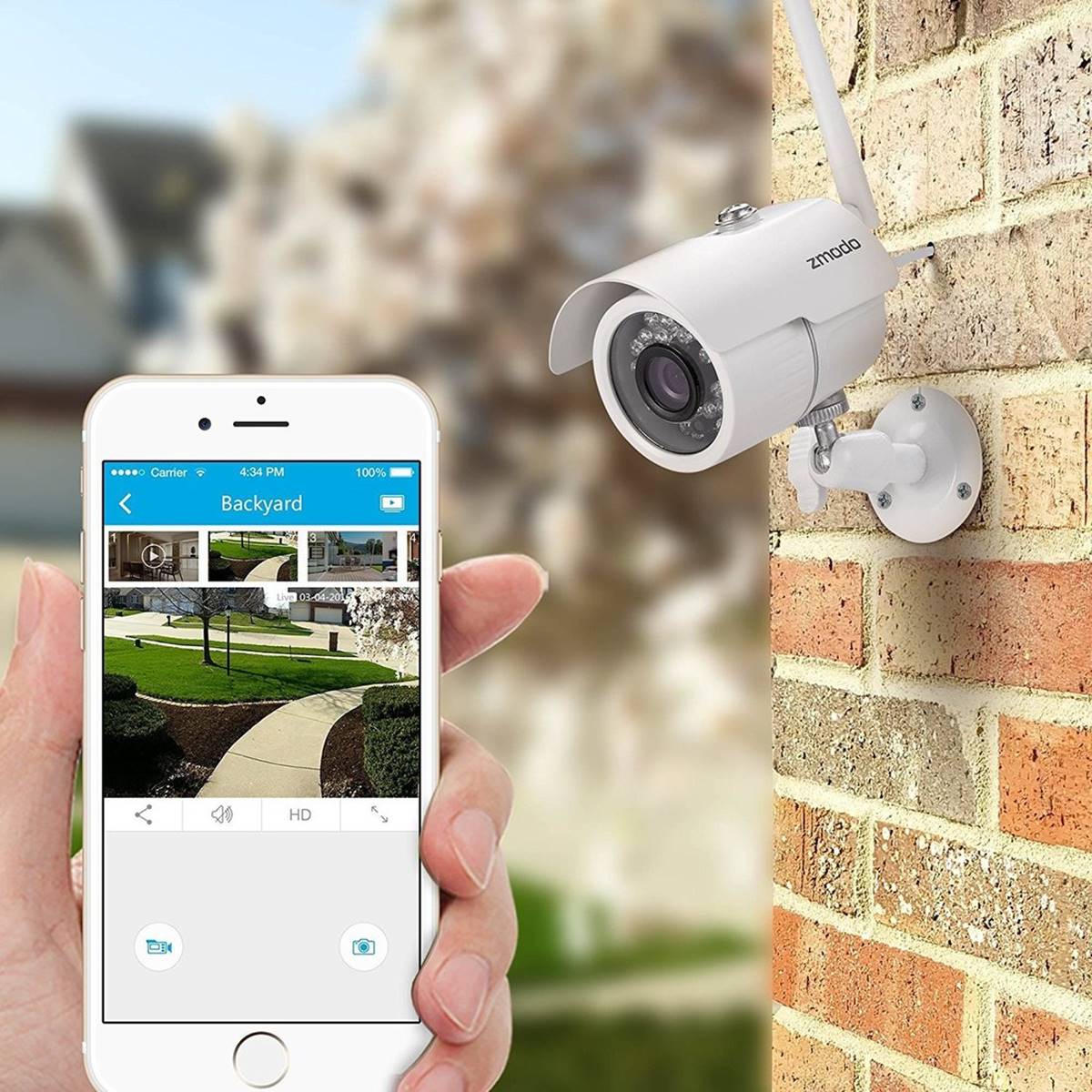
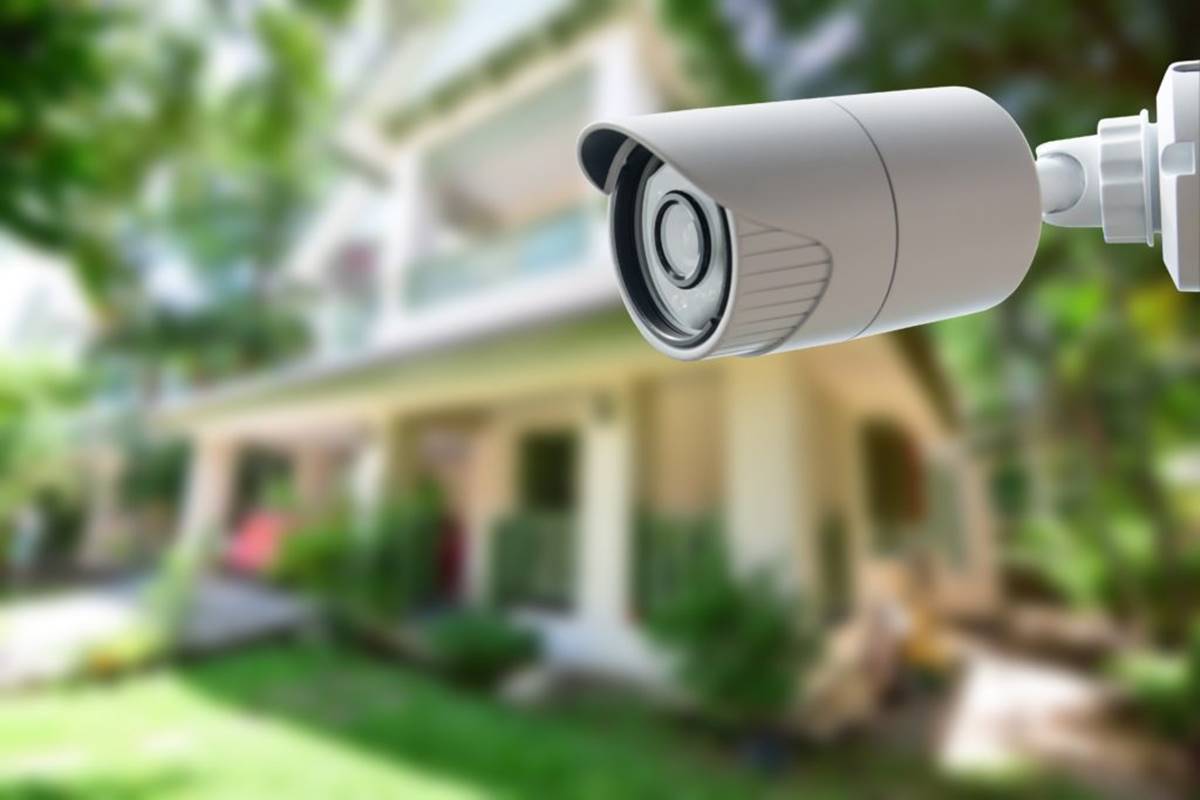
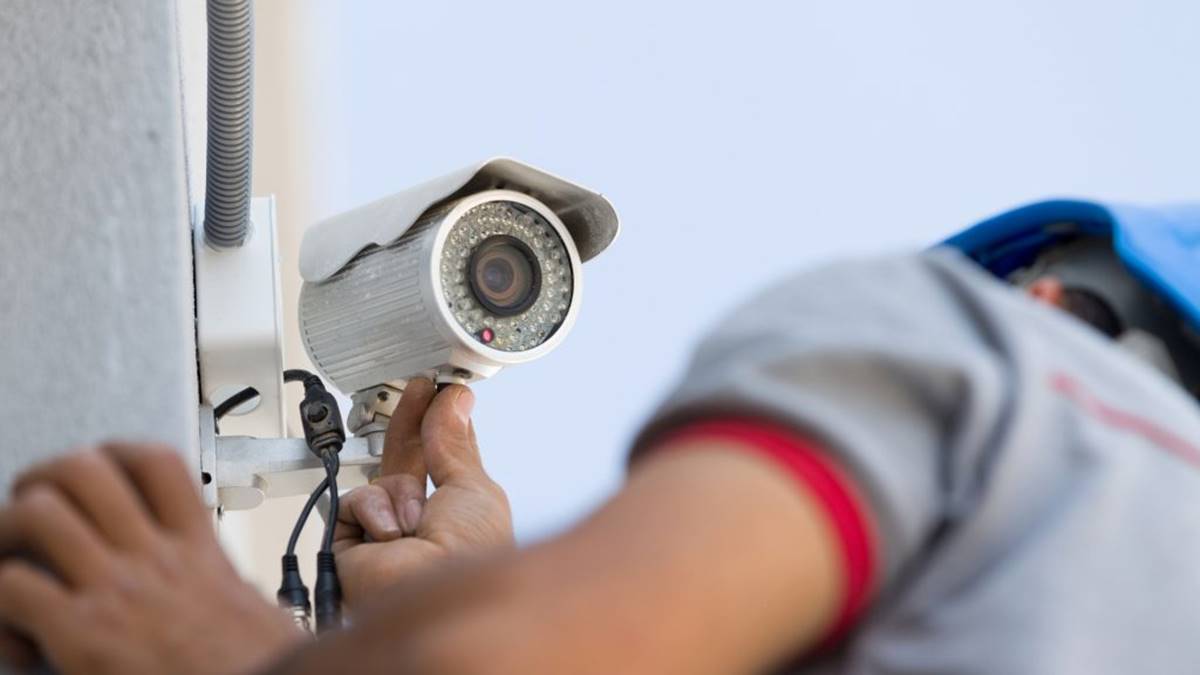
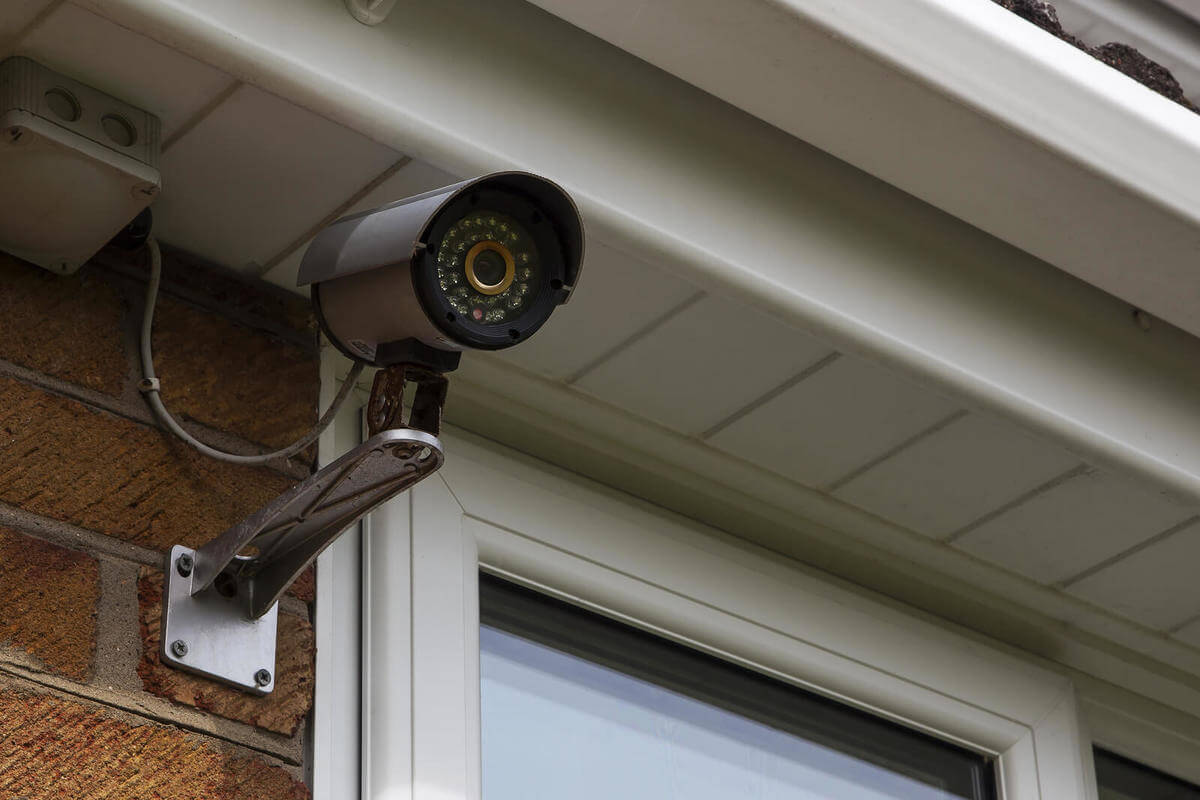
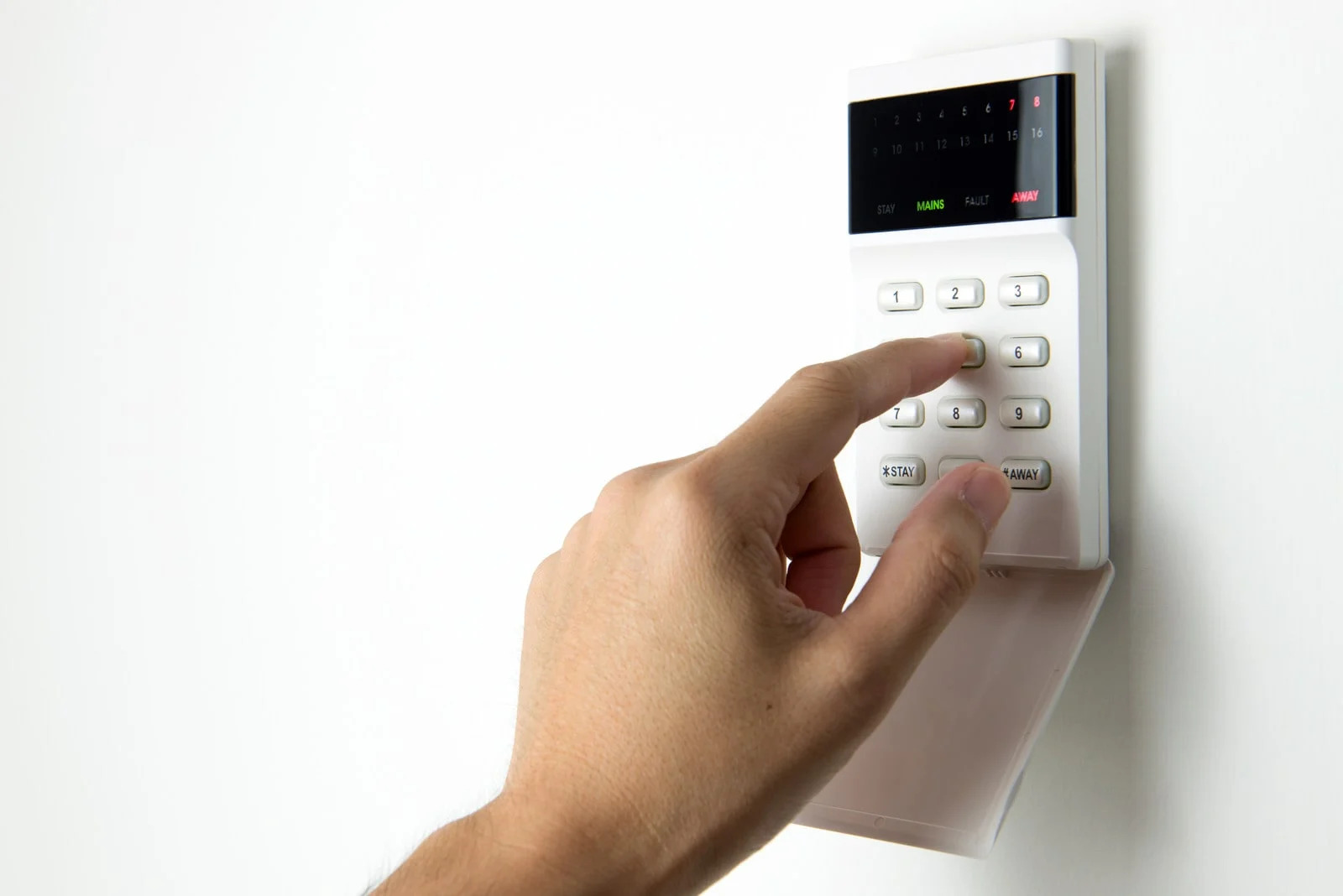
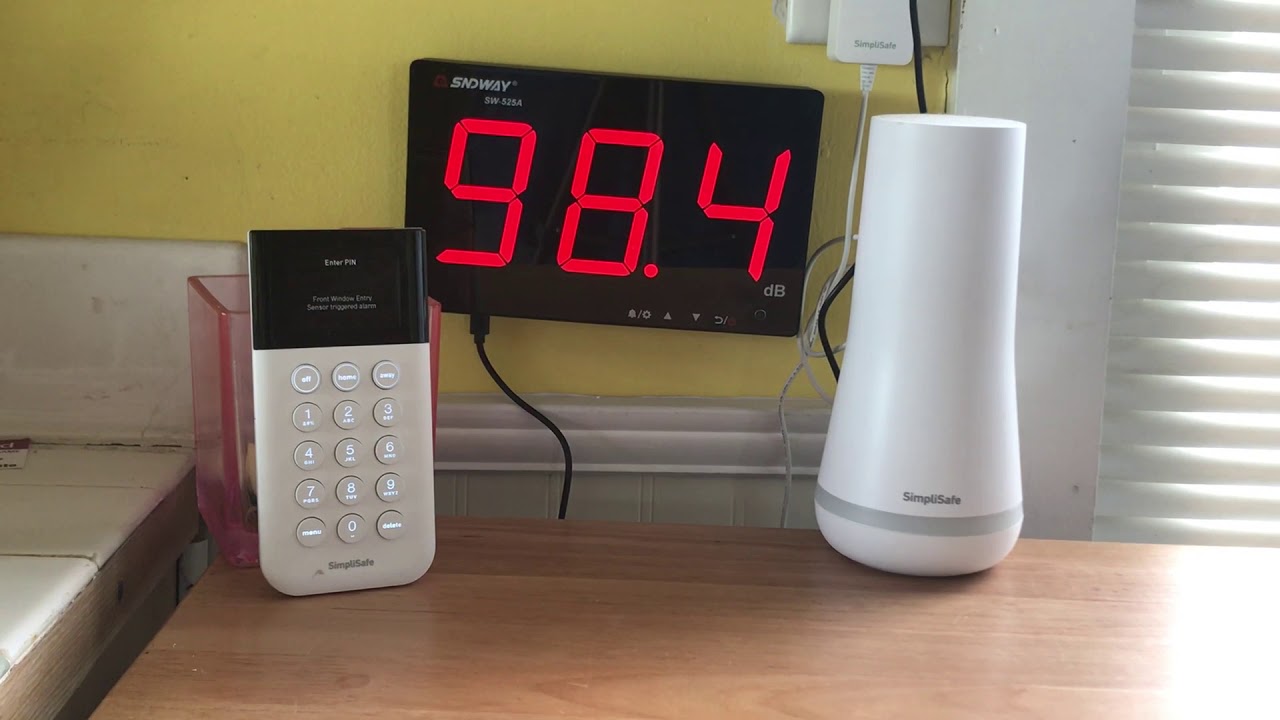
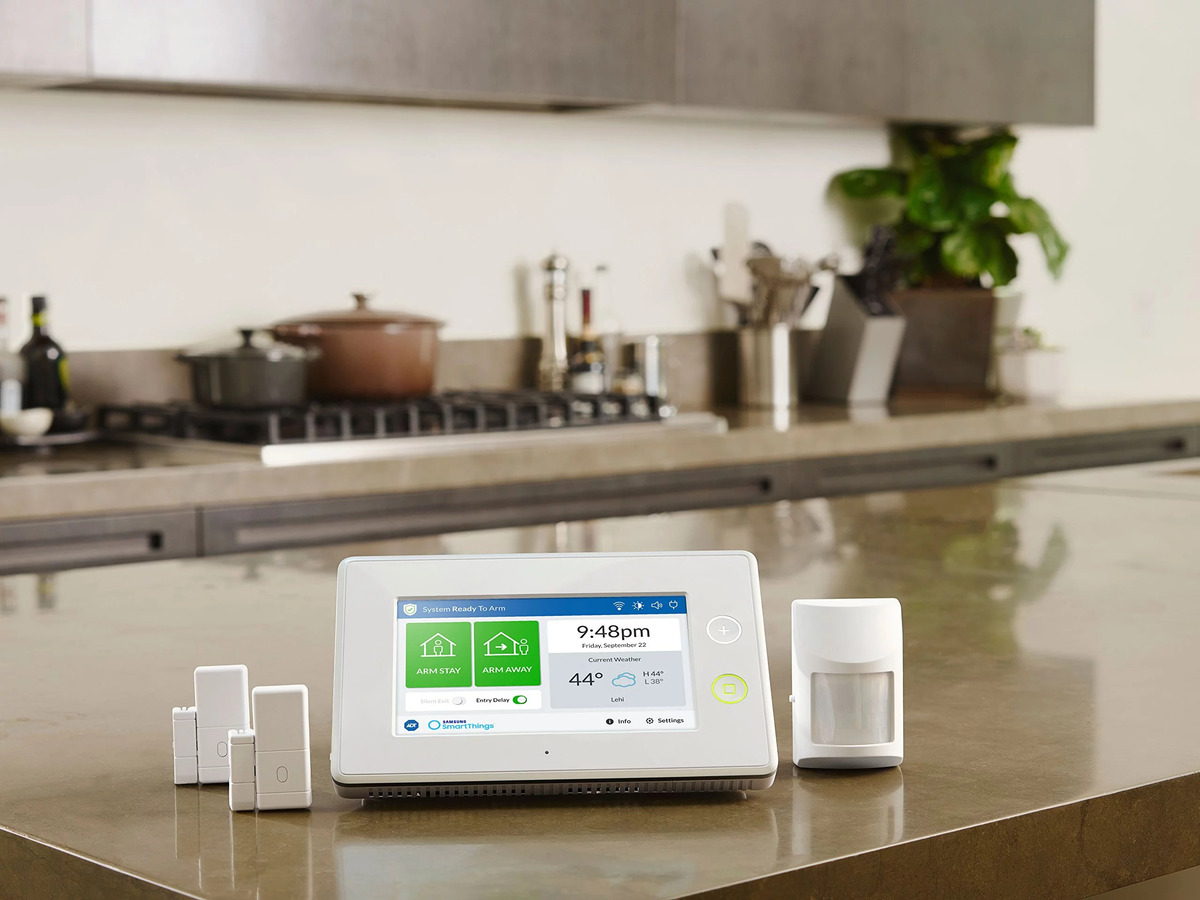
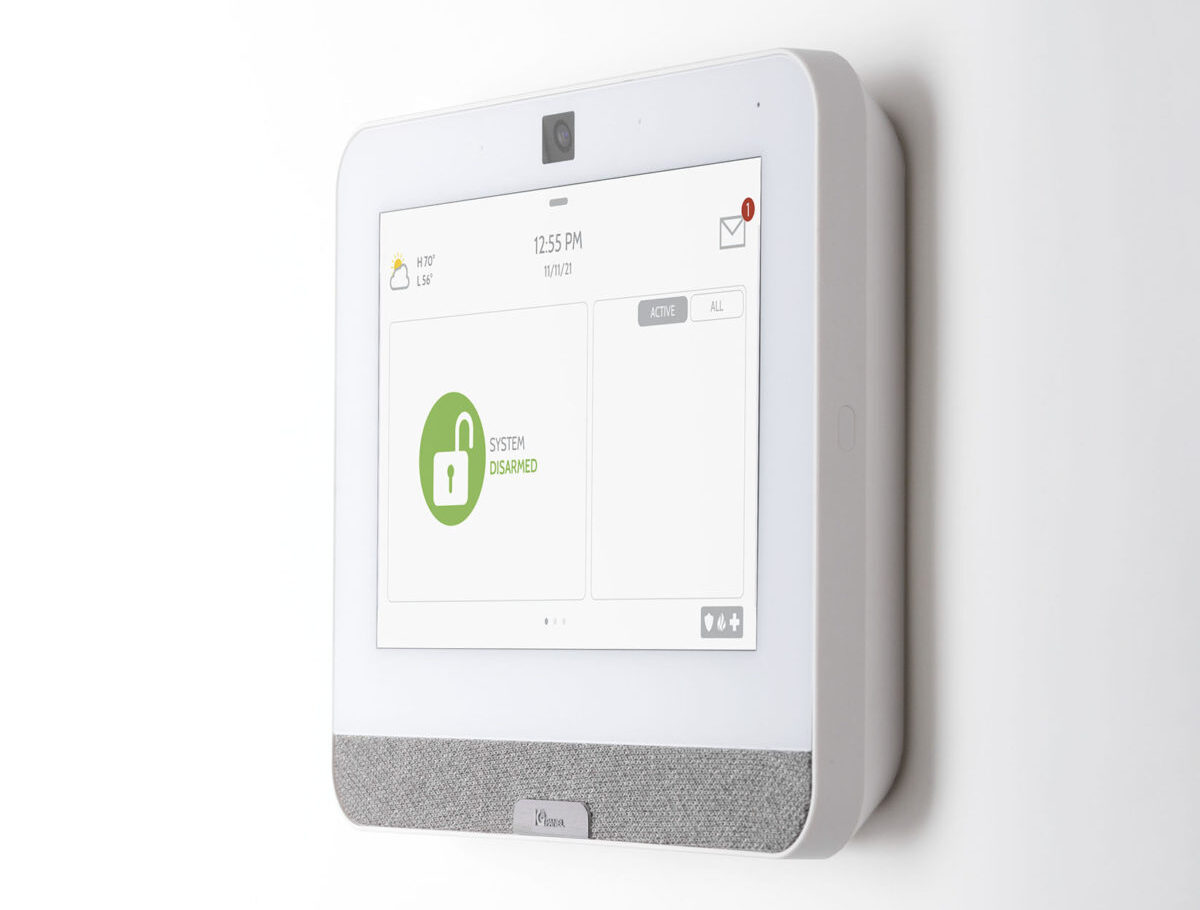
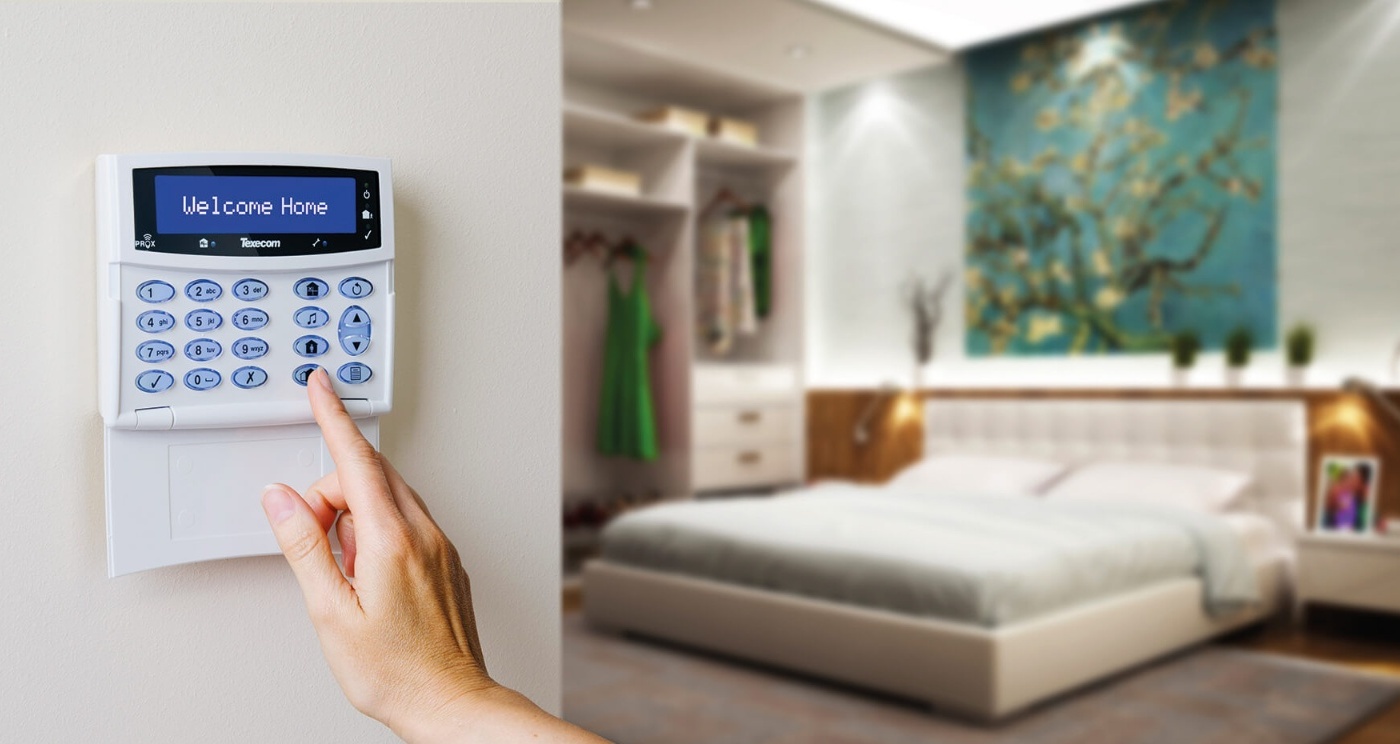
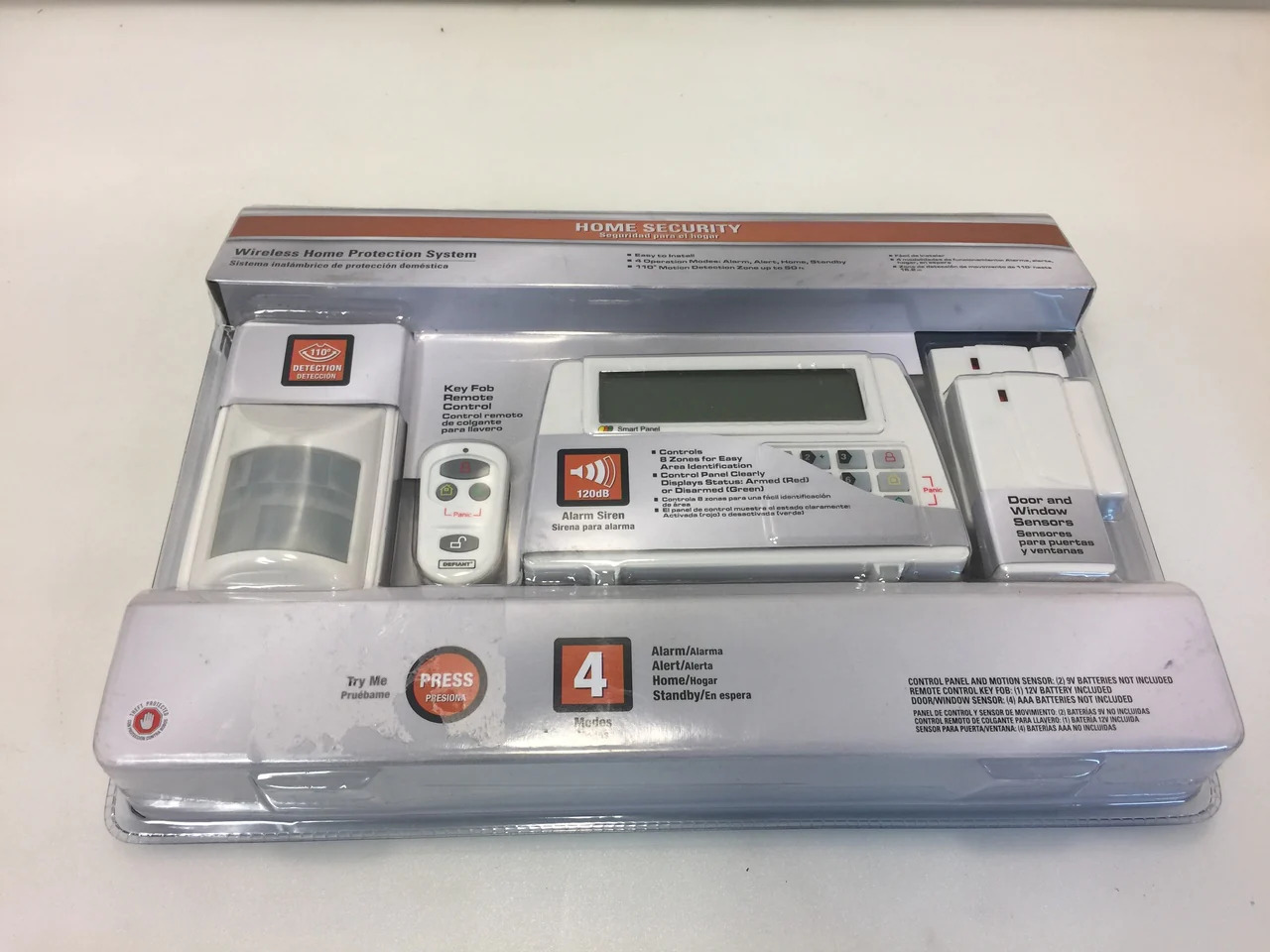
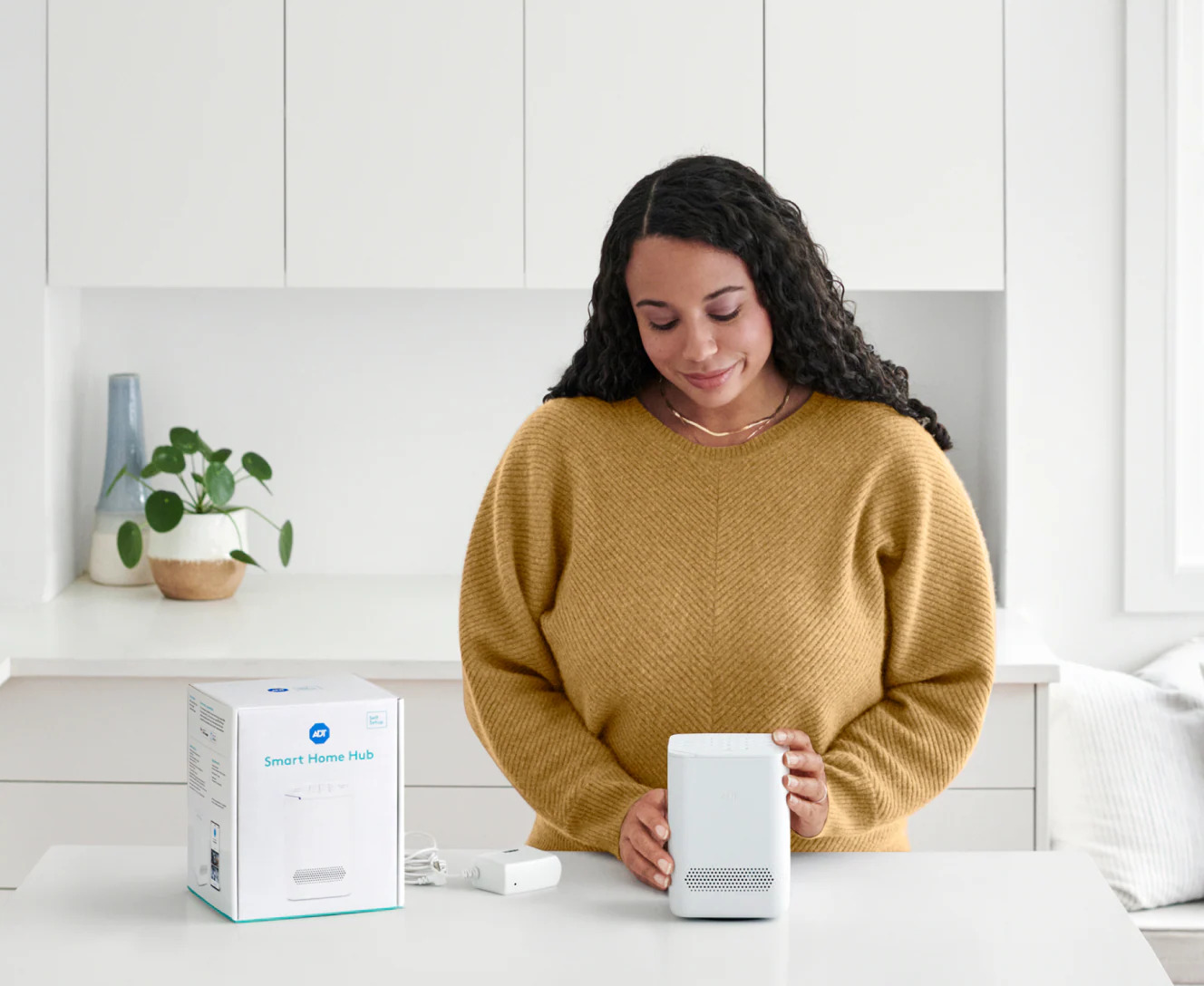
  • A dog and or an alarm system (with yard sign) have proven to be a good deterrent.
  • Make sure your efforts do not prevent a quick exit in case of a fire.

  
How To Protect Yourself From Credit Fraud and Identity Theft

  • Cut up and destroy pre-approved credit offers that you don't use.
  • Secure your mail box or use a PO Box to limit the risk of stolen mail.
  • If your mail has been tampered with notify postal authorities.
  • Avoid carrying identity document such as a Social Security card, birth certificate or passport.
  • Reduce the number of credit cards you are carrying to a minimum.
  • Avoid giving personal information over the phone or Internet. If on the Internet make sure that any transactions are completed in a secure encrypted website. The entire website usually isn't secure, only the pages that require personal information.
  • Do not have your Social Security or driver's license number printed on your checks.
  • Keep a list of your credit and banks accounts (including phone numbers and expiration dates) in a secure place, such as a lockbox.
  • If your credit cards or checks are lost or stolen notify your creditors immediately. Request that your bank account number be changed and new checks be issued.
  • File a police report - banks and credit card companies may require a report to verify the crime.
  • Order your credit reports from each of the three credit bureaus at least once a year to ensure that the information is correct.
  • Consider listing only your name and phone number (no address) in the telephone book.

  
Personal Safety Tips

  • Trust your instincts and use common sense to avoid potentially dangerous situations.
  • Walk with confidence and be alert to your surroundings.
  • When possible always travel and/or shop with a friend.
  • If you are out at night, stay in well lighted areas.
  • Have your keys in hand when approaching your car or home, so you don't spend time looking for them. Lock your doors immediately.
  • Be aware of people who approach asking for directions. Keep a safe distance.
  • Walk on the side of the street nearest to oncoming traffic. If accosted by someone in a car, run in the opposite way the car is headed.
  • If possible, carry a cell phone. Know whom you could call in an emergency, such as 911. Be sure that you know how to quickly dial the number or how to use the preset number feature.
  • If you suspect someone looks suspicious in your area move to a more populated or public place.
  • The use of pepper spray is an option if you familiarize yourself with its use. You could also consider carrying noise making devices such as a whistle or personal alarm.
  • If you become a victim or witness suspicious activity get details of the person or vehicle. Report this information to the police.

  
Fire Prevention Planning

  • Careless Handling of cigarettes is the number one cause of fatal fires. Don't smoke in bed or when drowsy. Use only child resistant lighters.
  • Smoke alarms should be installed on every level of the house, especially outside sleeping areas. You can install them inside sleeping areas as well. This is a good idea if doors are kept closed.
  • Test alarms monthly and install new batteries every six months (Spring and Fall). Do this when you change you clock for daylight savings time. Replace alarms that are 10 years old or older.
  • Space heaters and wood stoves need to be at least three feet from anything that could burn. Turn Space heaters off when they are unattended.
  • Always have a sturdy metal screen in from of fireplaces. Have both furnace and chimneys inspected annually and cleaned as necessary.
  • In the kitchen, turn pot handles inward so they can't be bumped or pulled over. Don't wear loose fitting or flammable clothing.
  • Do not plug too many appliances into the same electrical outlet. An overloaded circuit can cause a fire.
  • Store flammable liquids and chemicals in a cool, dry place preferably outside the house.
  • Regularly clean your clothes dryer venting to prevent accumulated dryer lint from over heating the machine.
  • Remove all visible hazards, including stacks of paper, magazines, and trash that may provide fuel for a fire.
  • It's wise to place carbon monoxide detectors outside sleeping areas and near the location of the furnace and hot water heater.

BE PREPARED IF A FIRE SHOULD OCCUR:

  • Keep a readily accessible fire extinguisher in the kitchen as well as other levels of the home. Familiarize yourself with their operation. Do not try and fight a fire beyond your capabilities, Get everyone out! Call 911 from a neighbors house.
  • Have a fire escape ladder available for use from the upper floors.
  • Plan at least two possible escape routes for your entire family and make sure that doors and windows needed for escape are unobstructed and easy to open.
  • Designate a place to meet outside after escaping and then practice these routes regularly.
  • Check with your neighborhood firehouse if you need planning help.

  
Safety while Traveling

Hotels and Motels:

  • When you check in ask about their security features / procedures and if there is a security officer on duty.
  • Deposit excess cash or valuables in the hotel safe. Be sure to check their liability limits.
  • Request a "wake-up" call. If you are the victim of a crime or sickness you will be checked on.
  • Familiarize yourself with all available exits in case of fire or threatening situations.
  • If possible avoid using a hotel room key that includes a room number.
  • Never open your door to strangers. Make use of a door viewer and dead bolt lock.
  • Observe elevator interior before entering. If you are uncertain about an occupant wait for the next elevator.
  • When riding an elevator alone stand near the control panel. If accosted press as many buttons as you can.

Outside in Public Places

  • Try to avoid the look of a "traveler" or "tourist". Local criminals often prey on such people.
  • Blend into the surroundings as best as you can. Don't flash around hotel keys, have a camera around your neck, or wear a lot of jewelry.
  • Don't carry large sums of cash. If credit cards are not accepted use traveler's checks discreetly. An under garment money belt is good for carrying such items.
  • When out in public walk confidently and be alert to your surroundings. Trust your instincts.
  • If you think you are being followed go to a public place and ask for help.
  • If you are held up, give the robber what they want. DO NOT RESIST.

   
Traveling by Automobile

  • Before starting on your destination, pre-plan your route and stay on main roads and highways when possible.
  • Make sure your car is in good working order and tires in good condition.
  • Have an emergency kit that includes a flashlight, fire extinguisher, "fix-a-flat" tire inflator and jumper cables.
  • Do not tempt a thief by leaving items in the car that are visible through the windows. Store all valuables in the trunk. Store maps out of site.
  • Keep doors locked at all times.
  • If possible, carry a call phone and know what emergency numbers to dial and how to dial them.
  • If your car breaks down and you need help, turn on your emergency flasher and the the hood up. Keep doors locked. When someone stops, ask them to call the police or a wrecker.
  • When at a traffic light, leave space between your car and the one in front, in case you need to flee. If necessary use your horn as an alarm.
  • If you feel you are being followed, drive to the nearest police station or filling station.
  • Before you park survey the area for any signs of possible danger such as individuals loitering about or dark surroundings.
  • When returning to your car have keys ready and in hand. Check to make sure that no one is hiding in, under or behind the automobile.
  • If required to leave your keys at an attended parking lot leave only the ignition key.
  • A car alarm can provide an additional layer of protection.